


Reliable adhesion
Designed to wet and bond to clean, properly heated compatible metal surfaces.
☎️Benötigen Sie Hilfe? Senden Sie uns rund um die Uhr eine E-Mail: support@aexla.com
☎️Benötigen Sie Hilfe? Senden Sie uns rund um die Uhr eine E-Mail: support@aexla.com
☎️Benötigen Sie Hilfe? Senden Sie uns rund um die Uhr eine E-Mail: support@aexla.com
☎️Benötigen Sie Hilfe? Senden Sie uns rund um die Uhr eine E-Mail: support@aexla.com
☎️Benötigen Sie Hilfe? Senden Sie uns rund um die Uhr eine E-Mail: support@aexla.com
☎️Benötigen Sie Hilfe? Senden Sie uns rund um die Uhr eine E-Mail: support@aexla.com
☎️Benötigen Sie Hilfe? Senden Sie uns rund um die Uhr eine E-Mail: support@aexla.com
☎️Benötigen Sie Hilfe? Senden Sie uns rund um die Uhr eine E-Mail: support@aexla.com
☎️Benötigen Sie Hilfe? Senden Sie uns rund um die Uhr eine E-Mail: support@aexla.com
☎️Benötigen Sie Hilfe? Senden Sie uns rund um die Uhr eine E-Mail: support@aexla.com
☎️Benötigen Sie Hilfe? Senden Sie uns rund um die Uhr eine E-Mail: support@aexla.com
☎️Benötigen Sie Hilfe? Senden Sie uns rund um die Uhr eine E-Mail: support@aexla.com
☎️Benötigen Sie Hilfe? Senden Sie uns rund um die Uhr eine E-Mail: support@aexla.com
☎️Benötigen Sie Hilfe? Senden Sie uns rund um die Uhr eine E-Mail: support@aexla.com
☎️Benötigen Sie Hilfe? Senden Sie uns rund um die Uhr eine E-Mail: support@aexla.com
☎️Benötigen Sie Hilfe? Senden Sie uns rund um die Uhr eine E-Mail: support@aexla.com
Hast du ein Konto?
Logge dich ein, damit es beim Checkout schneller geht.
✅24-hour fast shipping
👍30-day no-questions-asked returns
🔥24/7 live customer support
Verfügbarkeit für Abholungen konnte nicht geladen werden


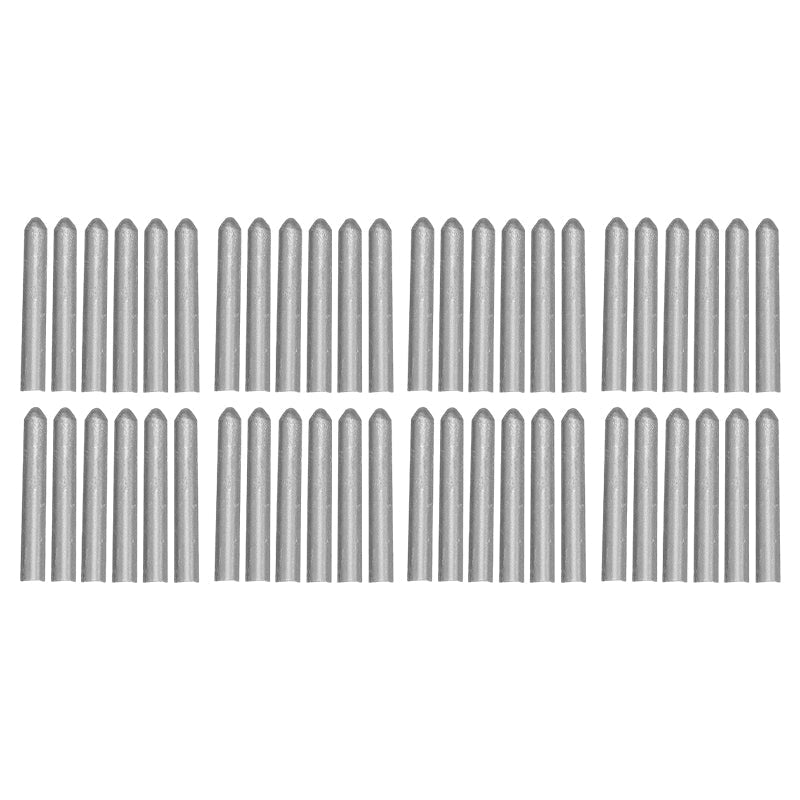
Fill cracks, worn spots and small holes with an easy-to-handle repair rod designed to flow at lower working temperatures than conventional welding.
Always wear eye protection and heat-resistant gloves. Test compatibility on a small area before use.
 No electric welder needed

For small cracks, holes, worn edges and surface damage, these rods provide a practical way to add material and restore a usable surface.
Build up material over damaged areas, then shape the cooled repair by filing or sanding as needed.
No electric arc welder is required for many light-duty repairs; use a suitable flame heat source for the workpiece.
Ideal when you need a focused repair without the setup, sparks and learning curve of conventional welding.
A compact consumable that helps you handle common repair and maintenance tasks at home, in the garage or at the workshop.
Designed to wet and bond to clean, properly heated compatible metal surfaces.
Add material to cracks, pinholes, seams and worn areas instead of relying on surface-only glue.
Once fully cooled, the repaired area can be dressed, filed or sanded for a cleaner finish.
Choose a small starter pack or stock up for regular workshop and maintenance use.
Product imagery demonstrates repairs on common metals including aluminum, copper, iron and stainless steel.

Good surface preparation and even heating are more important than pushing the rod directly into the flame.
Remove dirt, grease, paint and oxidation. Roughen the repair zone with a stainless wire brush, file or abrasive paper.
Tip: bare, bright metal gives the best chance of bonding.Use a suitable torch or flame source to heat the metal evenly around the repair area. Avoid overheating thin parts.
Tip: heat the base metal rather than melting the rod directly in the flame.Touch the rod to the heated surface. When the workpiece is hot enough, the rod should soften and flow into the joint or damaged area.
Tip: use a clean metal tool to spread or shape the molten material if needed.Let the repair cool naturally. Do not touch until fully cool. File, sand or polish the area to the desired shape.
Tip: avoid quenching unless the base material and repair method specifically allow it.The best method depends on the part, material and required strength. Use the rod for appropriate repair work—not as a substitute for qualified structural welding.
| Consideration | Low-temp repair rod | Conventional arc welding |
|---|---|---|
| Electric welding machine | Usually not required | Required |
| Setup time for a small patch | Low | Higher |
| Working heat | Lower | High |
| Skill level | DIY-friendly with practice | Training recommended |
| Structural / certified repair | Not recommended | Appropriate when performed by a qualified welder |
Think light-duty repair, gap filling and restoration work where the part is not safety-critical.
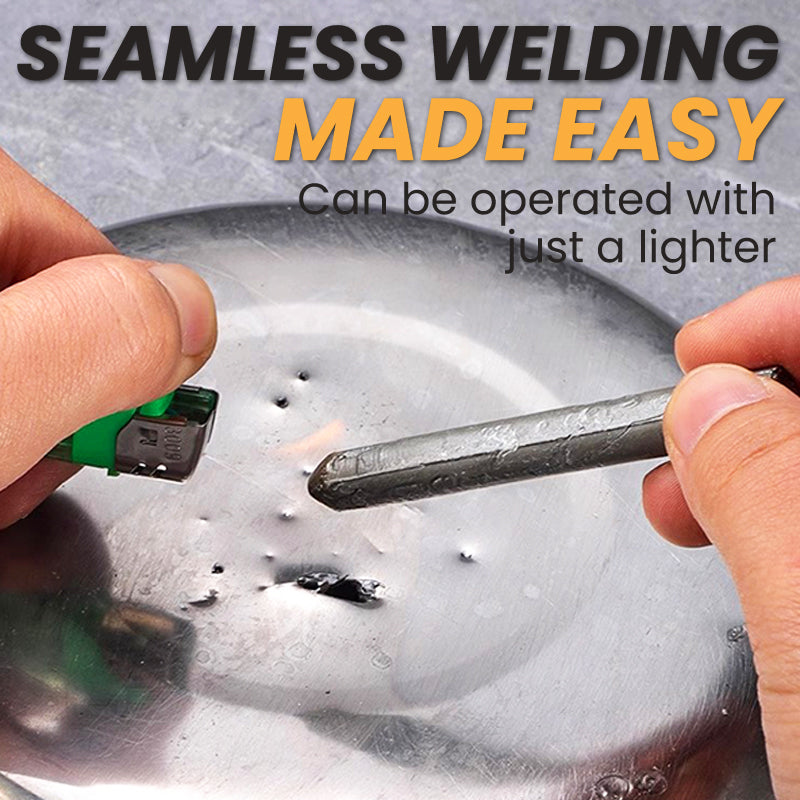
Fill localized damage in suitable metal surfaces.
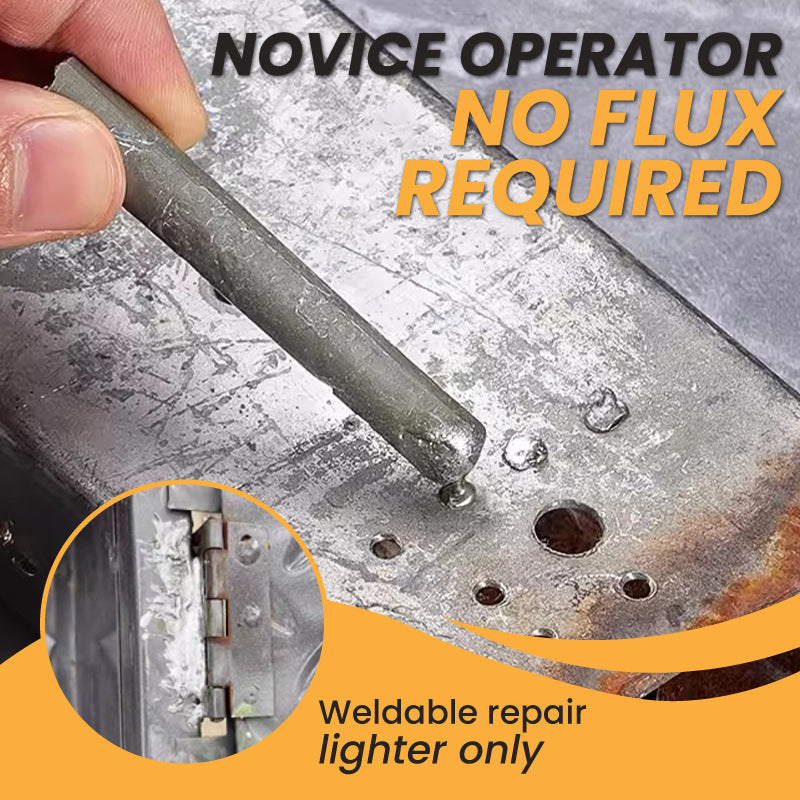
Rebuild worn edges, seams and damaged spots.
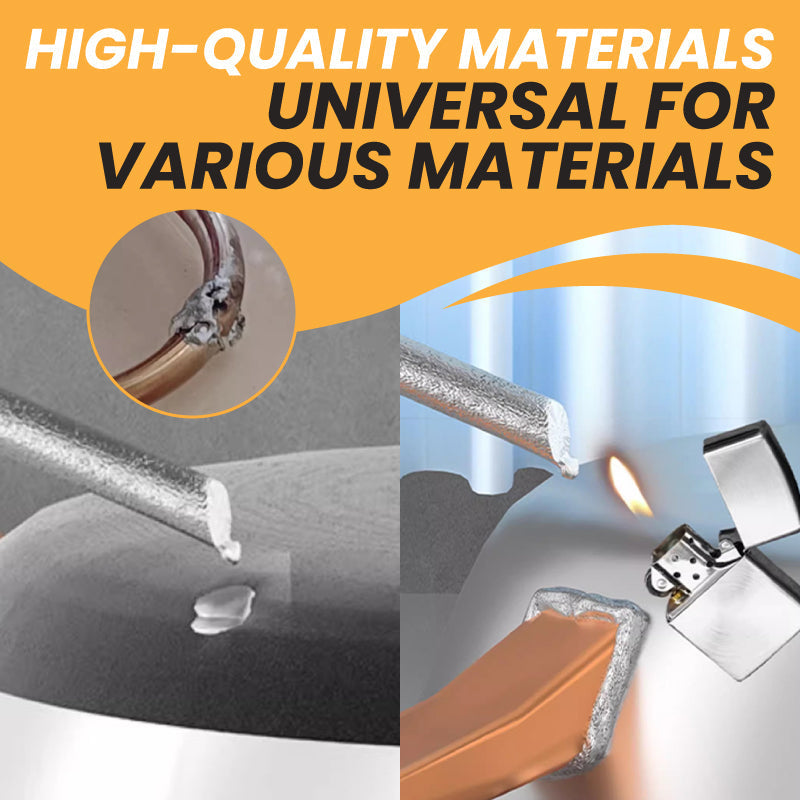
Keep rods ready for brackets, fittings and hobby projects.